Sleepless Nights and Wondering Eyes: What Grandchildren Are Told in Estrangement
If you’re an estranged parent or grandparent, you probably know this scene all too well.
It’s 2 a.m. and you’re staring at the ceiling, replaying every memory you ever made with your grandchild. The bedtime stories. The giggles. The way they used to run into your arms. And then the thought hits you like a punch in the chest:
What do they think now?
Do they wonder why I disappeared?
Do they think I stopped loving them?
What are they being told about me?
And perhaps hardest of all what does it mean when they look right at you at a game or recital with those cold, confused, or distant eyes?
You’re not imagining things. The ache that keeps you up at night is real. But here’s what you need to know: this story isn’t over, and what’s happening right now doesn’t erase the love that once existed or the truth of who you are.
What Grandchildren Are Likely Being Told
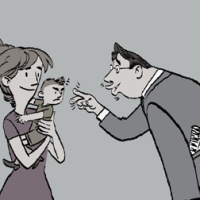
One of the most painful parts of estrangement is knowing you can’t control the story being told in your absence. Narcissistic or high-conflict parents often rewrite the narrative to justify cutting you off. And unfortunately, children especially young ones absorb those messages without question.
Some common narratives include:
- “Grandma and Grandpa don’t love us anymore.”
- “They’re dangerous” or “They’re not safe to be around.”
- “They did bad things, and that’s why we don’t see them.”
- “They don’t want to be part of our lives.”
- “They made bad choices and hurt our family.”
The intent isn’t always to make the child hate you outright sometimes it’s to simplify a complex situation into something the parent can control. But often, especially with narcissists, it’s deliberate: they want the child to associate you with danger, disloyalty, or pain.
It’s deeply unfair and it’s meant to break you. But here’s the truth they can’t erase: your grandchild’s memory of how they felt with you is still inside them. It may be buried or confused right now but love like that doesn’t disappear.
Why Do They Look Away or Look at You Like a Stranger
It’s excruciating to sit in the bleachers and feel your grandchild’s eyes land on you — only to see confusion, discomfort, or even anger. It’s easy to think, They hate me now. But in most cases, that’s not what’s happening.
Children in loyalty binds forced to “choose” between their parents and grandparents often experience:
- Confusion: They remember feeling safe and loved with you, but they’re being told you’re unsafe or harmful. Their body remembers love, but their mind has been fed with fear.
- Fear of punishment: They may be afraid that if they smile, wave, or talk to you, they’ll get in trouble at home. Many kids have been told “don’t even look at them” or “don’t go near them.”
- Protective loyalty: Children instinctively side with the parent they rely on. If that parent has cast you as the “bad guy,” the child may mirror that stance even if part of them doesn’t believe it.
Those looks that break your heart are not always hatred. They are often a mix of fear, confusion, and survival instinct. They are trying to make sense of a story that doesn’t align with the love they once felt.
What They Will Remember One Day
Even if your grandchild seems distant now, children grow. They mature. They question things. And as they do, they start noticing inconsistencies:
- “If Grandma was so bad, why do I remember laughing with her?”
- “If Grandpa didn’t care, why was he always at my games?”
- “If they didn’t want to see me, why did they still show up?”
What you do now matters for that future moment. Every quiet wave, every peaceful presence on the sidelines, every time you choose dignity over drama it’s planting seeds of truth.
One day, those seeds may grow into questions. And those questions may lead them back to you.
How to Calm Your Racing Mind at Night
It’s natural to lie awake imagining worst-case scenarios, but those thoughts will wear you down. When the “what ifs” start circling, try these reframes:
Instead of: “They probably think I abandoned them.”
Remind yourself: “They don’t know the full story. One day, they may question what they were told.”
Instead of: “They hate me now.”
Remind yourself: “Their behavior is shaped by loyalty and fear not by the truth of our bond.”
Instead of: “There’s nothing I can do.”
Remind yourself: “My steady presence, even from afar, is doing something. It’s planting seeds they may one day follow back to me.”
What You Can Do Right Now
While you can’t control what they’re told, you can control how you respond. Small actions can make a big difference over time:
- Stay visible but peaceful: Attend games and events if legally allowed. Keep your distance, wave gently, and let them see your face without tension or confrontation.
- Avoid retaliation or drama: Anything that looks aggressive, desperate, or angry will reinforce the false narrative. Calm consistency undermines it.
- Document your love privately: Write letters each birthday. Keep a journal of memories. One day, if they come back, you’ll have a treasure trove that shows you never stopped caring.
- Protect your peace: If the heartbreak feels unbearable, limit how often you attend events or create rituals that honor them without reopening the wound each time.
Their Story Isn’t Finished
Right now, the story your grandchildren are hearing may cast you as the villain. But remember: you are not a character in their parents’ story you are a chapter in theirs. And chapters can be rewritten with time, maturity, and truth.
Children grow up. They question. They remember. And even if they seem distant today, your quiet presence can become the thread they pull on one day when they start to wonder, What really happened?
So tonight, when sleep won’t come and the questions feel heavy, remind yourself of this: love doesn’t vanish because someone lies about it. And the bond you built even if buried is still there, waiting for the day it can breathe again.
Feel like you lost your adult child to a narc? This is for you!

If you feel like you’ve lost your son or daughter once they married a narcissist… this is for you. It can be so overwhelming, confusing, and gut-wrenching to realize that there’s a toxic person now poisoning your own adult child against you. You can feel hopeless and like no one gets it. Fortunately, Tracy does! Not only does she understand this insidious form of abuse, she also knows the steps to help you feel empowered and heal from it! With practical strategies and relatable insights, Tracy guides you to know exactly what to do and NOT to do in these situations to give you the best chance to get your son or daughter back. I highly recommend this book!!
Book by Tracy A. Malone, Available Now!
Need a guidebook for understanding estrangement by a narcissist, this is your answer
My wife and I have gone from having our world turned upside down by a covert narcissist daughter-in-law without knowing what was happening to us to now gaining clarity and understanding from Tracy. I feel like she has written a biography of our relationship. It is so helpful to have the patterns, behaviors, and tactics so clearly defined and explained to bring structure to the madness that comes from estrangement. Unfortunately, this complex issue doesn’t come with easy solutions, but the education does wonders for peace of mind. I’d recommend this book for anyone that wants to understand how their life got turned upside down by a narcissist. Game changer!
Wonderful guidance for the most difficult situation
If you are a parent who is estranged from your child and you’re asking yourself, “how did we get here?”… then this book is for you. Tracy Malone breaks down the process of becoming estranged from your child and what to do about it. For those looking for greater understanding and clarity, as well as actions you can take now… you need to get this book immediately.
Tracy tells it like it is and doesn’t sugar coat things. She walks you through the steps to come to understanding and acceptance of your situation, but also gives you the tools to manage it and come out on the other side.
My husband and I joined one of Tracy’s groups for estranged parents. What we learned has helped us sleep better, helped me stop ruminating all night. I felt heard and learned so much, my guilt, shame and sadness can be better managed.